EN
May. 22, 2026
the influence of drawing process on prestressed steel wire .pptx
Prestressed concrete steel wires are widely applied in infrastructure projects such as bridges, pile foundations and sleepers. Their stable mechanical properties, low relaxation characteristics and long-term service durability directly determine the service life and safety of prestressed building structures.
Cold drawing serves as the core procedure of prestressed steel wire. Key process parameters including drawing pass arrangement, single-pass area reduction, drawing speed and temperature during forming govern the internal metallographic structure of steel wire, ensure comprehensive finished product performance.
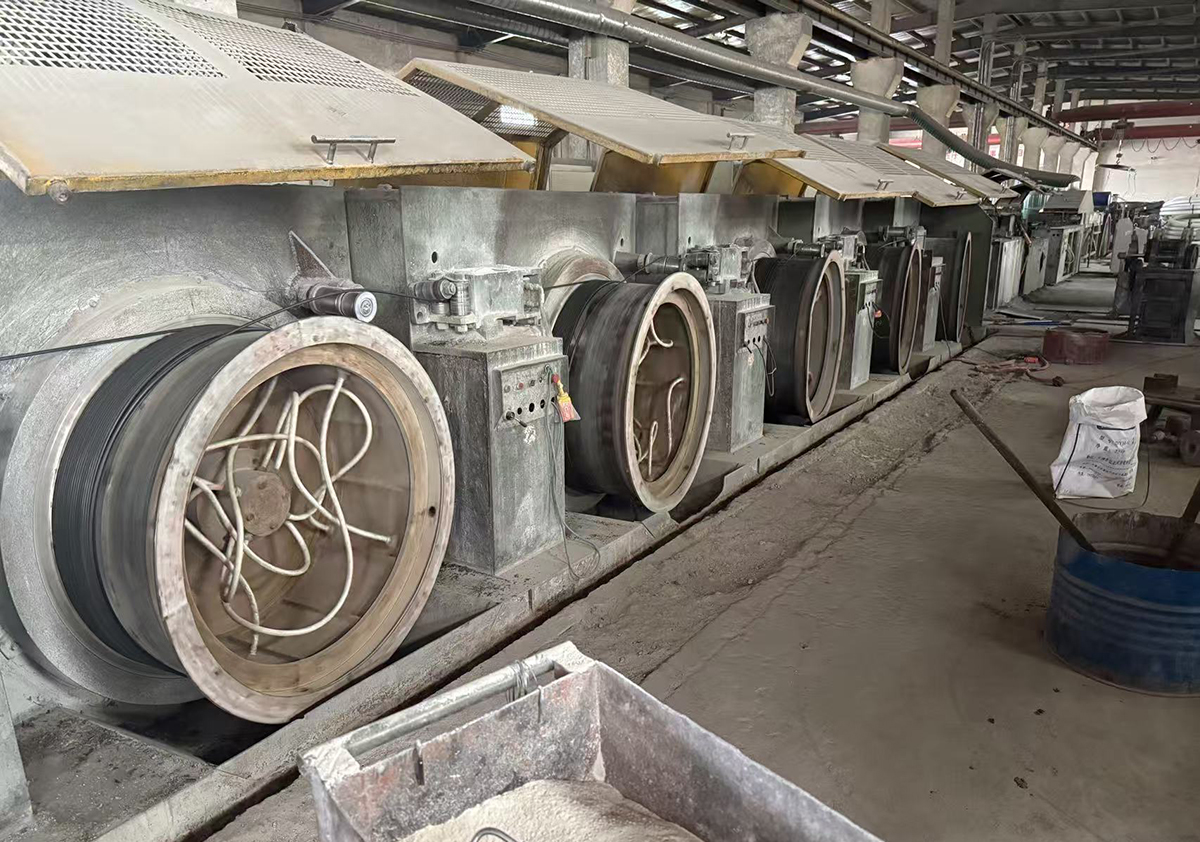
3. Mechanism of Drawing Speed on Metallographic Structure
Drawing speed is a key parameter that determines the long-term performance of steel wire, but it is often overlooked. High-speed drawing generates massive plastic deformation heat and friction heat, rapidly raising surface temperature of wires. This alters the internal sorbite metallographic structure, damaging the stress relaxation performance and hydrogen embrittlement resistance of the steel wires.
Qualified high-carbon 82B wire rods contain sorbite proportion above 85%. Densely and uniformly distributed lamellar sorbite acts as the fundamental structural basis for low relaxation rate, structural stability and superior stress corrosion resistance of prestressed steel wire. Uncontrolled temperature during drawing destroys high-quality metallographic structure.
3.1 Standard Production of Our Factory
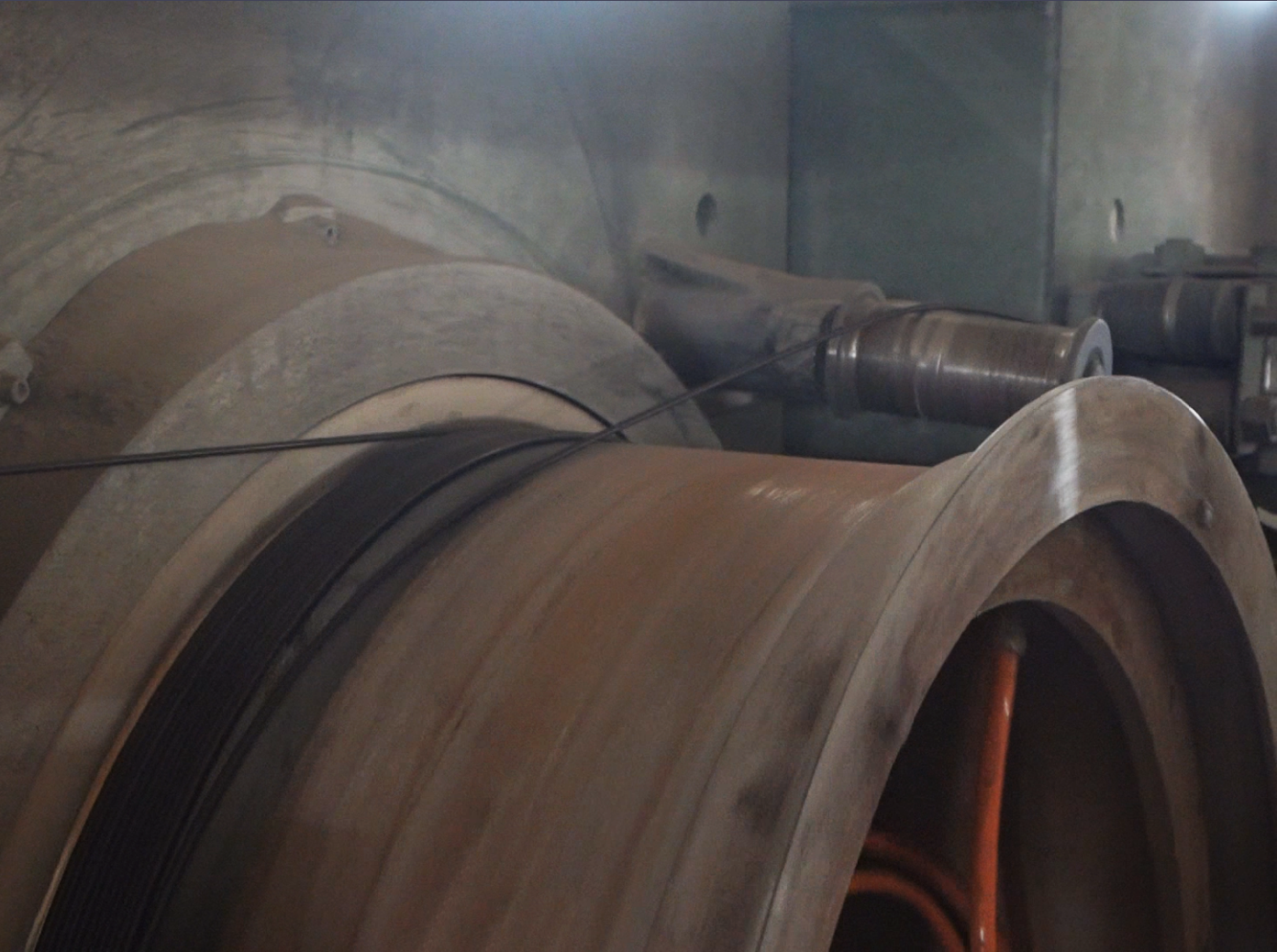
Production parameters are scientifically formulated, with drawing speed controlled within 80-100m/min. Circulating wire drawing coolant is applied for comprehensive forced cooling, keeping the overall forming temperature below 150℃.
Low-speed constant-temperature forming brings multiple merits: mild and controllable temperature rise preserves intact dense sorbite lamellar structure without high-temperature spheroidization deterioration; steady cold work hardening coordinates strength, plasticity and toughness; low internal residual stress enables full compliance of stress relaxation and hydrogen embrittlement resistance with national standards; steel wires feature smooth surface without surface damage and microcracks.
3.2 Quality Risks Caused by High Drawing Speed
Some manufacturers, in order to enhance productivity, have increased the drawing speed to 150-200m/min, which exceeds the reasonable technical limit. Continuous high surface temperatures can cause irreversible performance degradation.
First, metallographic deterioration occurs. High temperature induces spheroidization of sorbite lamellae and reduces structural compactness, causing excessive stress relaxation value. Prestress loss intensifies during long-term operation and weakens overall bearing capacity of buildings.
Second, surface defects have multiplied. Intense high-speed friction creates microcracks and aggravates lattice distortion, expanding hydrogen absorption channels and resulting in unqualified hydrogen embrittlement resistance and degraded stress corrosion resistance.
Third, service life is greatly shortened. Latent material defects formed under high-temperature forming do not show during delivery, yet accelerate material aging under long-term load and outdoor corrosive environment, leading to premature performance decline and component failure.
In addition, elongation after fracture gradually drops with successive drawing passes. The initial elongation of wire rod stands at 10%. We strictly controls the process parameters to ensure steel wire elongation stably exceeds the national minimum limit of 3.5%, balancing structural strength and service toughness.
4. Engineering Hazards Induced by Irregular Processes
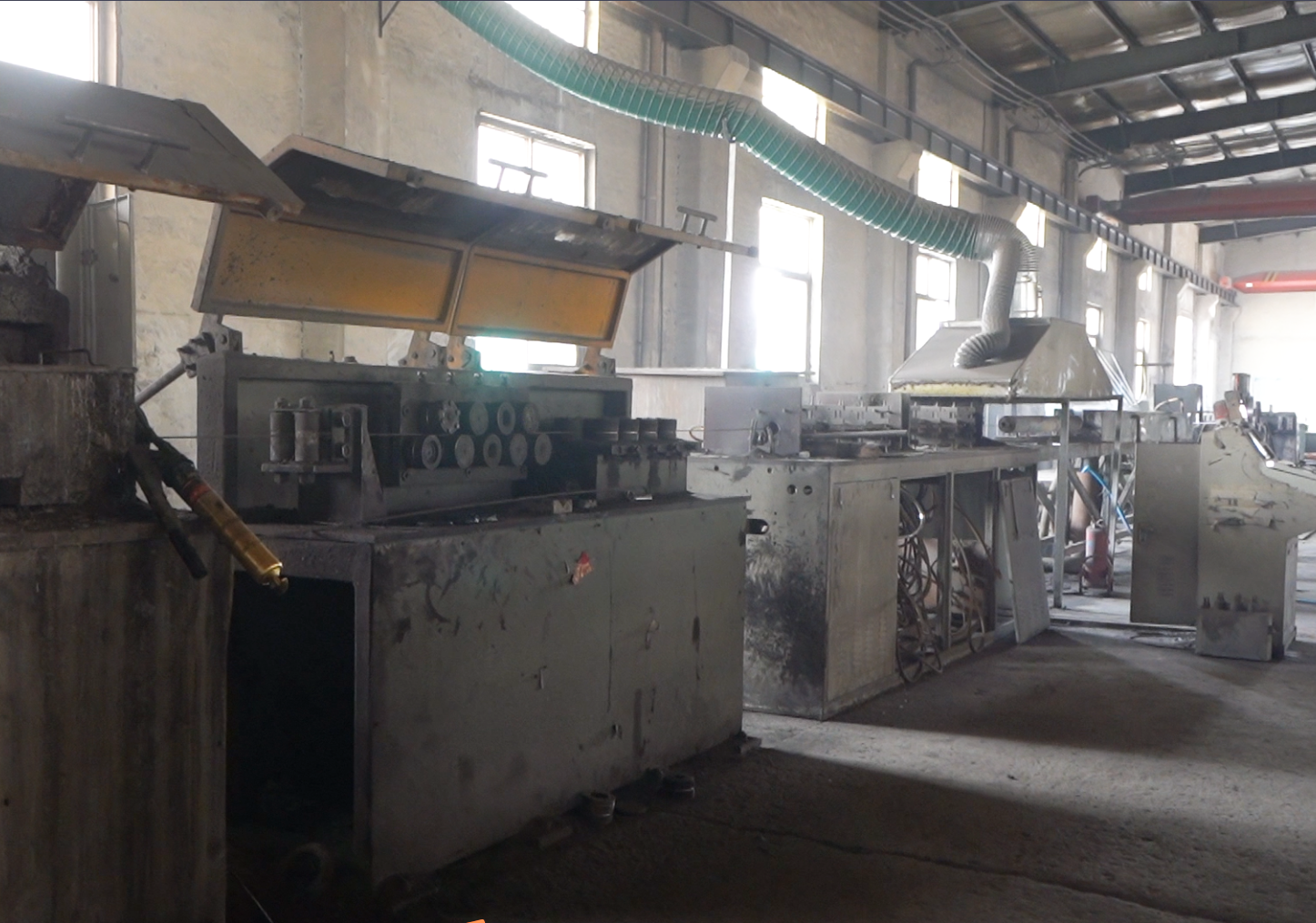
Irregular production methods including reduced drawing passes, undersized non-standard wire rod application and high-speed high-temperature forming degrade core service performance of prestressed steel wire and cause various engineering accident.
4.1 Insufficient Structural Bearing Capacity
PC steel wire processed by non-standard techniques lack adequate strength reserve and present high brittleness. Brittle fracture is prone to occur during construction tensioning and cannot meet the load-bearing requirements of the engineering design.
4.2 Deteriorated Service Durability
Excessive stress relaxation rate, poor hydrogen embrittlement resistance and abundant surface micro-defects accelerate material aging under long-term constant stress and complex humid, dry and corrosive working conditions, bringing about premature failure.
4.3 Persistent Hidden Risks
As core load-bearing components of bridges, pile foundations, railway sleepers and water conservancy facilities, unstable steel wire performance shortens the overall service life of constructions. In severe cases, it may cause major safety accidents such as structural deformation and wall cracking.
5. Process and Quality Assurance
As a professional manufacturer of PC steel wire and PC steel strand, we fully recognize the vital role of process control in infrastructure quality. We reject low-cost inferior production modes, adhere to standardized multi-pass drawing and low-speed constant-temperature forming technology, and regulate all production parameters in accordance with the latest national standard GB/T 5224-2023.
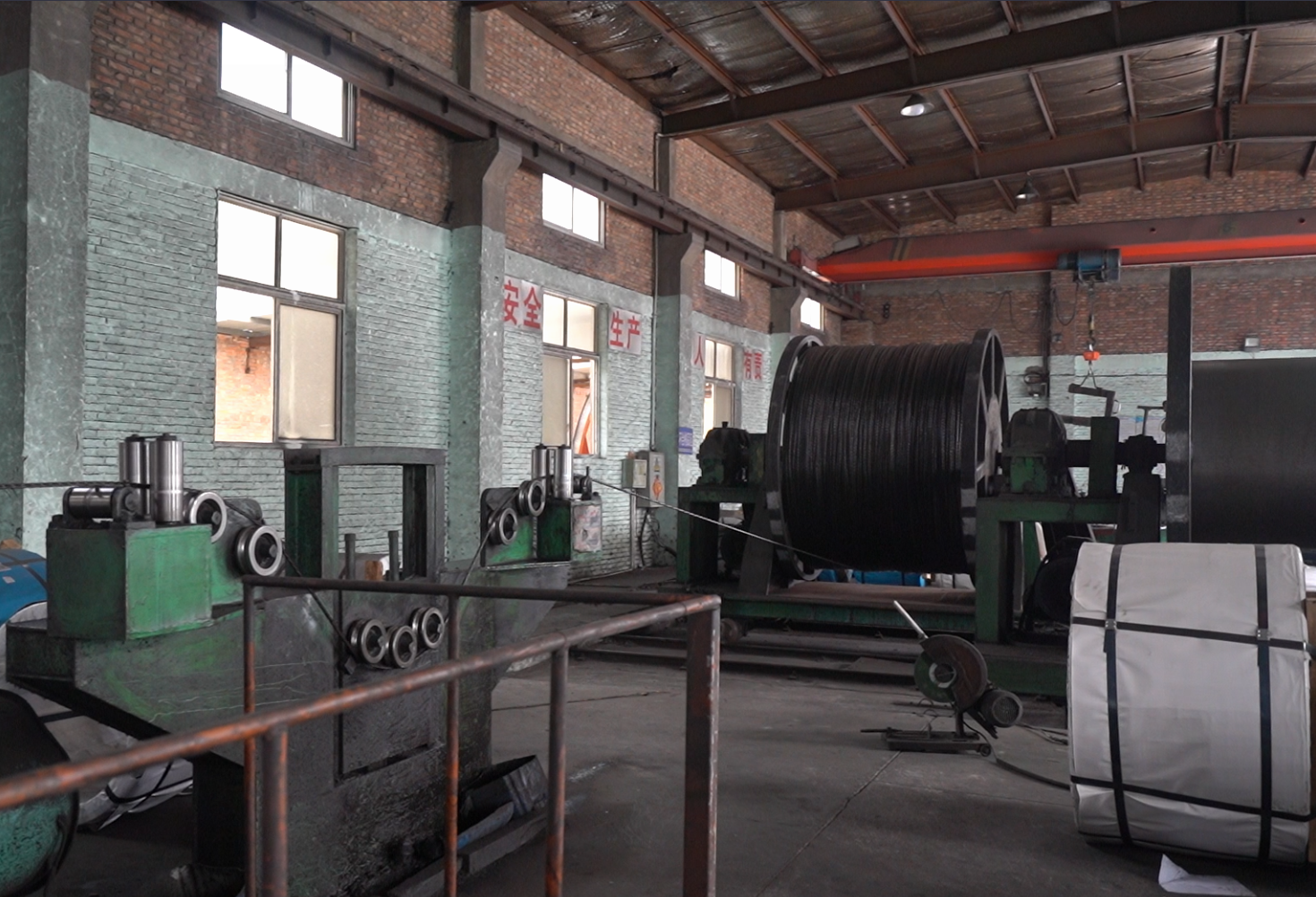
Our full-process quality management covers raw material selection, forming processing and finished product testing to eliminate latent quality defects. We supply high-quality building materials with stable performance, high safety and long service life for prestressed infrastructure projects. Feel free to contact us via phone and email on our website for procurement negotiation, we sincerely look forward to cooperation with you !
Why Do 82B Wire Rods Undergo Pickling and Phosphating (Ⅰ) ?
The influence of drawing process on the performance of PC steel wire(Ⅰ)
HOT PRODUCTS

Yuanxian High-tech Material is a company serving a worldwide customers base providing innovative and reliable product solution that recognizes the value of customer care.
+86 180 2006 1362
Haitai Huake Third Road No.1, Huayuan Industrial Zone, Binhai High Tech Zone, Tianjin, china
Quick Links
Product Category

Request a Quote
Welcome to subscribe toour email message!

Send a Message